 By admin
An accident can turn an ordinary day into a stressful and uncertain experience within moments. Beyond the immediate physical impact, many people are left dealing with medical appointments, missed work, damaged property, and unfamiliar legal questions. The emotional weight of suddenly having to make important decisions while still processing what happened can feel overwhelming, especially if you have never navigated a legal situation before. Confusion often sets in quickly, and it can be difficult to know which steps matter most or which decisions could have long-term consequences.
In the days following an accident, it is common to feel pulled in multiple directions at once. Medical concerns may conflict with work responsibilities, while phone calls and paperwork begin piling up before you feel ready to deal with them. Friends and family may offer advice that is well-intentioned but inconsistent, leaving you unsure of what applies to your situation. All of this can create pressure to act quickly, even when you do not yet have the information needed to make confident choices.
Understanding your legal options after an accident is not about preparing for conflict or assuming the worst. It is about gaining clarity during a confusing time and protecting yourself from decisions that could affect your recovery or financial stability later. When information is unclear or incomplete, people may rush into choices simply to feel a sense of control. Having a clear understanding of the process helps replace uncertainty with confidence and allows you to approach each step thoughtfully rather than reactively.
Focus on Safety, Medical Care, and Early Documentation
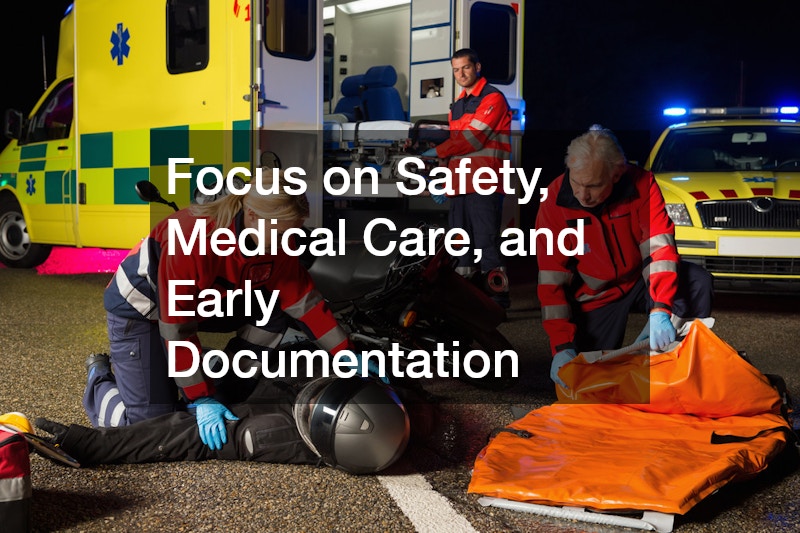
The first priority after an accident should always be safety and medical attention. Even if injuries seem minor, prompt care helps identify hidden issues and creates a clear medical record linking injuries to the incident. Some injuries, such as soft tissue damage or concussions, may not fully reveal themselves until days later. Delays in treatment can raise questions later and complicate recovery.
Seeking medical care also helps establish a timeline. Doctors’ notes, diagnostic tests, and follow-up recommendations provide objective documentation that can be important if questions arise about the severity or cause of your injuries. Following treatment plans consistently demonstrates that you are taking your recovery seriously.
Once immediate needs are addressed, documentation becomes critical. Photos, notes, and witness information taken early often carry more weight than memories recalled weeks later. The more detailed and organized your records are, the easier it becomes to explain what happened and how it affected you.
Helpful steps include:
- Photographing injuries, vehicle damage, road conditions, and surrounding areas
- Writing down your recollection of events while the details are still fresh
- Collecting names and contact information of witnesses
- Keeping records of medical visits, prescriptions, and recommendations
When the time comes to research next steps or professional support, many people turn to reviews to evaluate credibility and reliability. While no single opinion tells the whole story, patterns in feedback can help identify professionals who communicate clearly, respond promptly, and treat clients with respect.
Accidents can also take a mental and emotional toll. Anxiety, difficulty sleeping, irritability, and trouble concentrating are common, even when physical injuries are manageable. Taking care of your mental well-being is part of protecting your overall health. Talking with trusted friends or family, maintaining routines when possible, and allowing yourself time to rest can help restore balance. If emotional stress begins interfering with daily life, professional support can provide tools for coping and healing.
Understand How Fault and Claims Are Evaluated
Determining fault after an accident is not always straightforward. Even when circumstances seem clear, multiple factors may influence how responsibility is assigned. Statements from those involved, witness accounts, physical evidence, and official reports all play a role in shaping how events are interpreted.
In many cases, fault is shared to some degree. This does not necessarily mean you are barred from recovering losses, but it can affect how claims are evaluated. Understanding this early can help set realistic expectations and guide your decisions moving forward.
Insurance companies often begin evaluating claims quickly, sometimes before you fully understand the extent of your injuries or losses. Adjusters may request statements or documentation shortly after the incident. It is important to be cautious during these early interactions. Providing incomplete information or speculating about details can lead to misunderstandings later.
To protect yourself:
- Stick to facts you know for certain
- Avoid guessing or making assumptions
- Take time to gather documentation before providing detailed explanations
Understanding how fault is assessed helps you avoid common mistakes, such as minimizing injuries, accepting blame prematurely, or assuming the process will resolve itself without follow-up.
Know When Legal Guidance Can Make a Difference
Not every accident requires formal legal help, but many situations benefit from professional guidance. If injuries require ongoing treatment, time away from work, or long-term care, having someone evaluate the broader impact of the accident can be valuable.
A personal injury lawyer can help assess both immediate and future consequences, including medical costs, lost income, and reduced earning potential. They often assist with organizing records, communicating with other parties, and explaining options in plain language. This guidance can help you avoid decisions that might limit your recovery later.
In more complex situations, a car accident law firm may provide additional support, such as access to investigators, medical experts, or accident reconstruction specialists. These resources can be especially helpful when fault is disputed or when damages are significant.
Legal guidance is not about escalating conflict. It is about understanding your position, clarifying your options, and ensuring that important details are not overlooked during a stressful time.
Handle Vehicle Removal and Property Damage Carefully

Vehicle removal often happens quickly after an accident, but decisions made at this stage can have lasting effects. Choosing a reputable towing company helps reduce the risk of additional damage and unexpected fees.
Using a local towing service can make communication easier and provide familiarity with regional regulations and storage practices. Before agreeing to removal, ask clear questions about where the vehicle will be taken, how long it can remain there, and what costs may apply.
Additional steps to consider include:
- Photographing your vehicle before and after towing
- Removing personal belongings as soon as permitted
- Keeping all receipts related to towing, storage, and repairs
- These records can become important if property damage is part of a larger claim or if disputes arise about costs.
Manage Insurance Communication Strategically
Interacting with insurance providers is often unavoidable, but how and when you communicate matters. Early conversations may seem routine, yet statements made without full information can be misunderstood or used to limit compensation.
Provide basic facts when required, but avoid detailed explanations or recorded statements until you have a clearer picture of your injuries and losses. Take time to read documents carefully and ask questions if anything is unclear.
Staying organized helps reduce frustration. Keep copies of all correspondence, claim numbers, adjuster names, and timelines. Writing down notes after phone calls can also help you remember what was discussed and what follow-up may be needed.
Recognize the Emotional Impact of an Accident
Accidents affect more than the body. Emotional and psychological responses are common and often overlooked. Stress can come from pain, financial uncertainty, disrupted routines, or fear of the unknown.
Acknowledging emotional strain does not mean you are weak or overreacting. It means you are recognizing the full impact of the experience. Supporting your mental well-being is part of recovery and can help prevent burnout or prolonged distress.
Helpful strategies include:
- Maintaining regular sleep and meal schedules
- Staying connected with supportive people
- Limiting exposure to stressful conversations or information
If emotional challenges persist or worsen, professional support can provide coping strategies and reassurance during recovery.
Understand Civil and Criminal Legal Processes
Accidents may involve civil cases, criminal cases, or both, depending on the circumstances. Civil matters focus on compensation for losses such as medical expenses, lost income, and property damage. These cases are typically initiated by the injured party.
Criminal matters involve the enforcement of laws and the protection of public safety. When criminal charges are involved, a defense attorney may represent the accused individual. These proceedings are controlled by the state and follow different rules and timelines from civil cases.
It is important to understand that these processes are separate. A criminal outcome does not automatically determine a civil result, and vice versa. If legal or procedural errors are believed to have affected a case outcome, appeals lawyers may become involved. Appeals focus on whether laws and procedures were applied correctly rather than reexamining evidence.
Understanding these distinctions helps reduce confusion and set realistic expectations.
Stay Organized During Ongoing Case Management
Legal matters often unfold over months rather than weeks. Staying organized can reduce stress and help ensure that important details are not missed.
Choose a quiet, private meeting space for discussions involving documents or sensitive topics. Keep a dedicated folder, physical or digital, for records, timelines, and correspondence.
Accidents can also create practical challenges, such as damaged property that needs clearing. In some situations, junk haulers may be needed to remove debris or unusable items. Keeping records of these services helps maintain clear documentation related to property issues.
Evaluate Settlement Offers With Long-Term Impact in Mind
Settlement offers may arrive before you fully understand the scope of your injuries or future needs. While it can be tempting to accept quickly, careful evaluation is essential.
A fair settlement should consider:
- Current and future medical expenses
- Lost income or reduced earning ability
- Long-term limitations or lifestyle changes
- Property damage and related costs
Once accepted, settlements are typically final. Taking time to understand what is included and what rights may be waived helps prevent regret later.
Make Decisions That Support Recovery and Stability
Every accident is different, and there is no single path that fits everyone. What matters most is making informed decisions that support both your recovery and long-term stability.
By staying organized, asking questions, and understanding your options, you can navigate the process with greater confidence. Knowledge reduces uncertainty and allows you to focus on healing rather than reacting to pressure.
Prepare for Life After the Legal Process Ends
Once the legal aspects of an accident are resolved, many people expect life to return to normal right away. In reality, the transition can take time. Physical recovery may still be ongoing, and emotional or financial adjustments often continue even after paperwork is finalized. Preparing for this stage helps prevent frustration and supports long-term stability.
This period is a good opportunity to reassess daily routines, work responsibilities, and personal goals. Some people find that injuries or stress have changed their priorities or limits, making it necessary to adjust schedules or expectations. Planning for continued care, follow-up appointments, and lifestyle changes allows you to move forward with confidence rather than uncertainty.
Taking time to reflect on what you have learned throughout the process can also be empowering. Understanding how to protect yourself, advocate for your needs, and recognize when to seek support creates a foundation for resilience. While the experience may not be something you would choose, the knowledge gained can help you feel more prepared and secure moving forward.
Moving forward after an accident takes patience, awareness, and thoughtful decision-making. While the legal process can feel intimidating at first, understanding your options helps replace uncertainty with clarity. Each choice you make, from documentation to communication, plays a role in shaping your recovery and financial stability.
There is no benefit to rushing important decisions when so much is at stake. Accidents often affect multiple areas of life at once, including physical health, emotional well-being, and daily routines. By staying informed, recognizing when additional support may be helpful, and prioritizing your long-term needs, you put yourself in a stronger position to move forward. With preparation and perspective, it is possible to regain control, protect your interests, and approach the future with greater confidence and peace of mind, even as you work through ongoing challenges and adjust to new circumstances over time.